
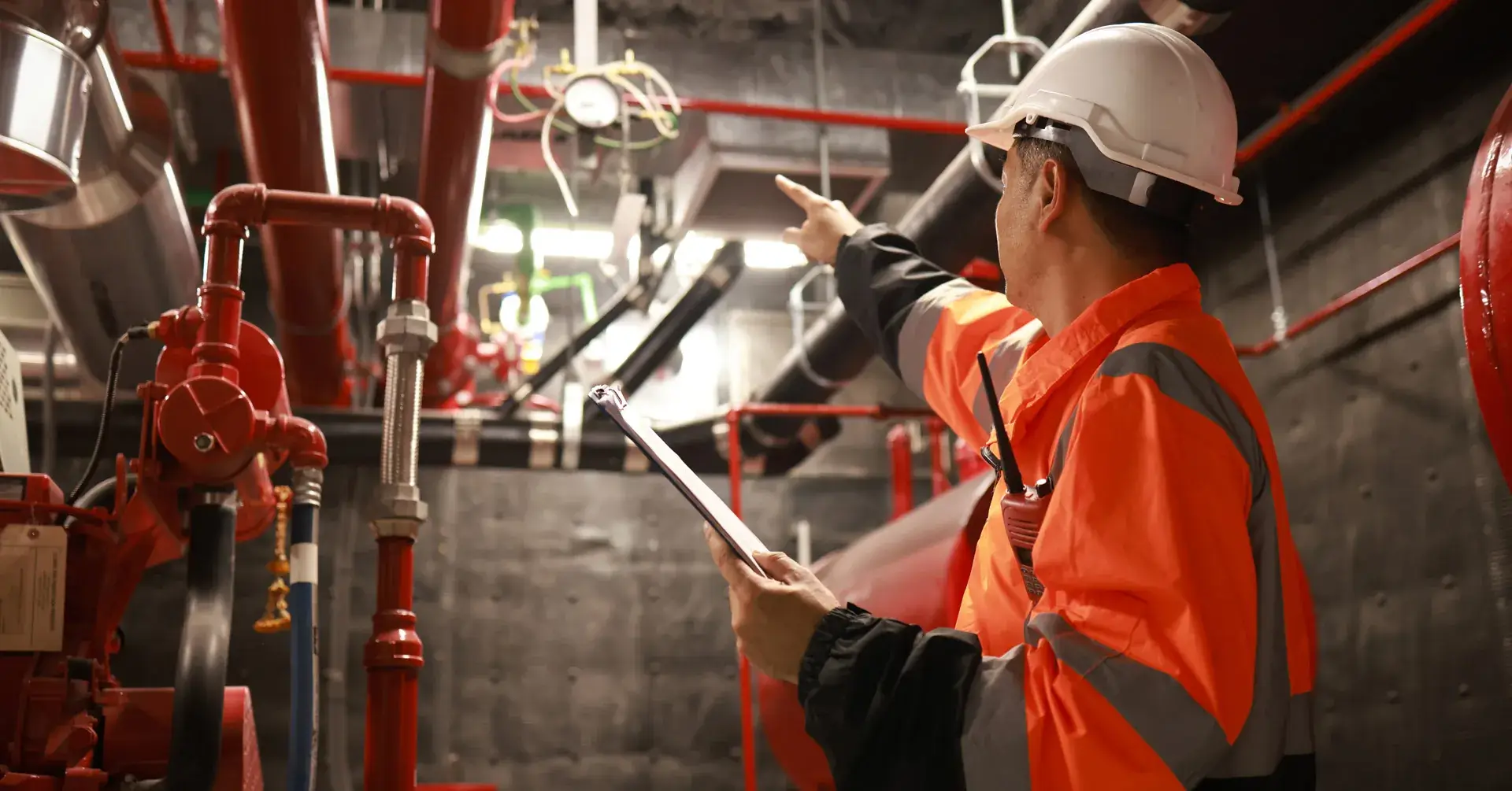
Fire Risk Assessment: Identifying Hazards and Controlling Risks

Fire risk assessment is a structured and systematic approach used to identify potential fire hazards and implement effective control measures. It plays a vital role in protecting lives, property, and business operations. By focusing on hazard identification and risk control, organizations can significantly reduce the likelihood of fire incidents and limit their consequences.
Purpose of Fire Risk Assessment
The main purpose of a fire risk assessment is to understand how a fire could start, how it might spread, and who could be affected. This process helps responsible persons make informed decisions about fire prevention and protection measures.
A well-prepared assessment provides a clear overview of existing risks and highlights areas that require improvement. It also supports legal compliance and ongoing fire safety management.
Identifying Fire Hazards
Identifying fire hazards is the foundation of any fire risk assessment. Fire hazards generally fall into three categories: ignition sources, fuel sources, and oxygen sources.
Ignition sources include electrical equipment, heating systems, open flames, hot work activities, and machinery that generates heat or sparks. Fuel sources may include paper, furniture, packaging, textiles, chemicals, flammable liquids, gases, and waste materials. Oxygen sources include natural airflow, mechanical ventilation, and oxygen-enriched environments.
Identifying People at Risk
Once hazards are identified, it is essential to determine who may be at risk in the event of a fire. This includes employees, visitors, contractors, and members of the public.
Special consideration must be given to individuals who may require assistance during evacuation, such as people with disabilities, limited mobility, or unfamiliarity with the premises. Identifying people at risk helps ensure that control measures and evacuation plans are suitable for all occupants.
See also: 5 Budget-Friendly Home Renovations That Can Transform Your Space
Evaluating Fire Risks
Evaluating fire risks involves assessing the likelihood of a fire occurring and the potential severity of its impact. This step helps prioritize actions and allocate resources effectively.
High-risk areas may require immediate corrective action, while lower-risk issues can be managed through routine monitoring. Risk evaluation ensures that fire safety efforts are proportionate and targeted.
Controlling Fire Risks Through Prevention
Prevention is the most effective way to control fire risks. This includes eliminating hazards where possible, such as removing unnecessary flammable materials or replacing faulty equipment.
Where elimination is not feasible, risks should be reduced through control measures. These may include safe storage of flammable substances, good housekeeping practices, regular equipment maintenance, and safe systems of work.
Fire Protection and Mitigation Measures
Fire protection measures are designed to limit the spread and impact of fire. Fire detection and alarm systems provide early warning, allowing occupants to evacuate safely.
Additional measures include fire doors, compartmentation, emergency lighting, clear escape routes, and suitable firefighting equipment. These controls work together to reduce harm and property damage.
Emergency Procedures and Evacuation Planning
Effective emergency procedures are essential for controlling fire risks. Fire risk assessments should ensure that evacuation routes are clearly marked, unobstructed, and sufficient for the number of occupants.
Emergency plans should explain how alarms are raised, who is responsible during emergencies, and where assembly points are located. Regular fire drills help test procedures and improve response.
Training and Fire Safety Awareness
Training is a key element of fire risk control. Employees should be trained to recognize fire hazards, understand fire safety procedures, and respond appropriately during emergencies.
Fire safety awareness encourages early reporting of hazards and promotes responsible behavior, reducing the likelihood of fire incidents.
Reviewing and Improving Fire Risk Controls
Fire risk assessment is an ongoing process. Changes in workplace activities, building layouts, or occupancy levels can introduce new risks.
Regular reviews ensure that control measures remain effective and that new hazards are identified promptly. Continuous improvement supports long-term fire safety.
Conclusion
Fire risk assessment is essential for identifying hazards and controlling risks effectively. By understanding potential fire hazards, evaluating risks, and implementing preventive and protective measures, organizations can create safer environments. Ongoing review, training, and monitoring ensure that fire safety arrangements remain effective and compliant over time.