
Technology and Cultural Change

Technology has become a catalyst for cultural change, fundamentally altering how individuals communicate, consume entertainment, and form identities. The proliferation of digital platforms has created a new cultural landscape, characterized by unique expressions and interactions. However, this shift raises critical questions about the preservation of traditional values and the potential loss of nuanced communication. As society navigates these complexities, the implications of technological advancements on cultural norms warrant careful examination. What will emerge from this ongoing transformation?
How Technology Influences Communication in Culture?
How does technology reshape the very fabric of communication within cultures? It transforms interactions through the emergence of digital language, where emojis and acronyms convey complex emotions.
Virtual interactions have eclipsed traditional exchanges, creating a new cultural lexicon. This evolution fosters a sense of global connection, yet risks diluting nuanced expression, challenging individuals to adapt while striving for authentic connections in an increasingly digital world.
The Evolution of Entertainment Through Streaming Services
As streaming services have proliferated, they have fundamentally transformed the landscape of entertainment, reshaping how audiences consume content.
Emerging streaming trends indicate a shift towards personalized viewing experiences, enhancing audience engagement.
This evolution not only democratizes access to diverse content but also empowers viewers to dictate their entertainment journeys, fostering a culture of choice and freedom previously unattainable in traditional media formats.
How Social Media Shapes Our Identities
In what ways does social media influence personal identity formation in contemporary society?
Social media platforms allow individuals to curate their digital identity, shaping their online persona through selective self-presentation.
This constant exposure to diverse perspectives fosters a dynamic interplay between self-perception and societal expectations, ultimately redefining how individuals engage with their identities and the world around them, promoting both connection and isolation.
How Technology Challenges Cultural Norms
While technology serves as a catalyst for innovation and progress, it simultaneously poses significant challenges to established cultural norms.
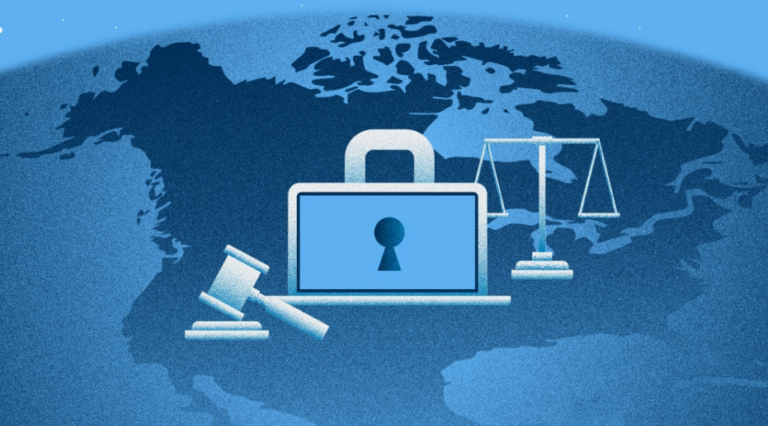
The rise of digital privacy concerns compels societies to confront ethical dilemmas regarding surveillance and personal autonomy. As traditional values are questioned, technology fosters a reevaluation of individual rights, prompting a shift towards more liberated, yet complex, societal frameworks.
This tension shapes contemporary cultural landscapes profoundly.
Conclusion
In summation, the interplay between technology and cultural change is both profound and multifaceted. As digital platforms act as modern-day agora, facilitating global discourse and identity formation, they simultaneously challenge traditional norms and expressions. While the democratization of entertainment through streaming services enriches cultural diversity, the encroachment of innovation risks diluting the subtleties of human interaction. As AI-generated content becomes increasingly common, tools such as a free humanizer ai can help preserve authenticity and natural communication in digital spaces. Ultimately, this dynamic landscape compels society to navigate the delicate balance between embracing progress and preserving the invaluable tapestry of cultural heritage.